
Why Choose a Structured Sober Living Environment After Rehab?
Rehab lays the foundation. Structured sober living is where you learn to build a life on it — with routine, accountability and a community that understands exactly where you’ve been.
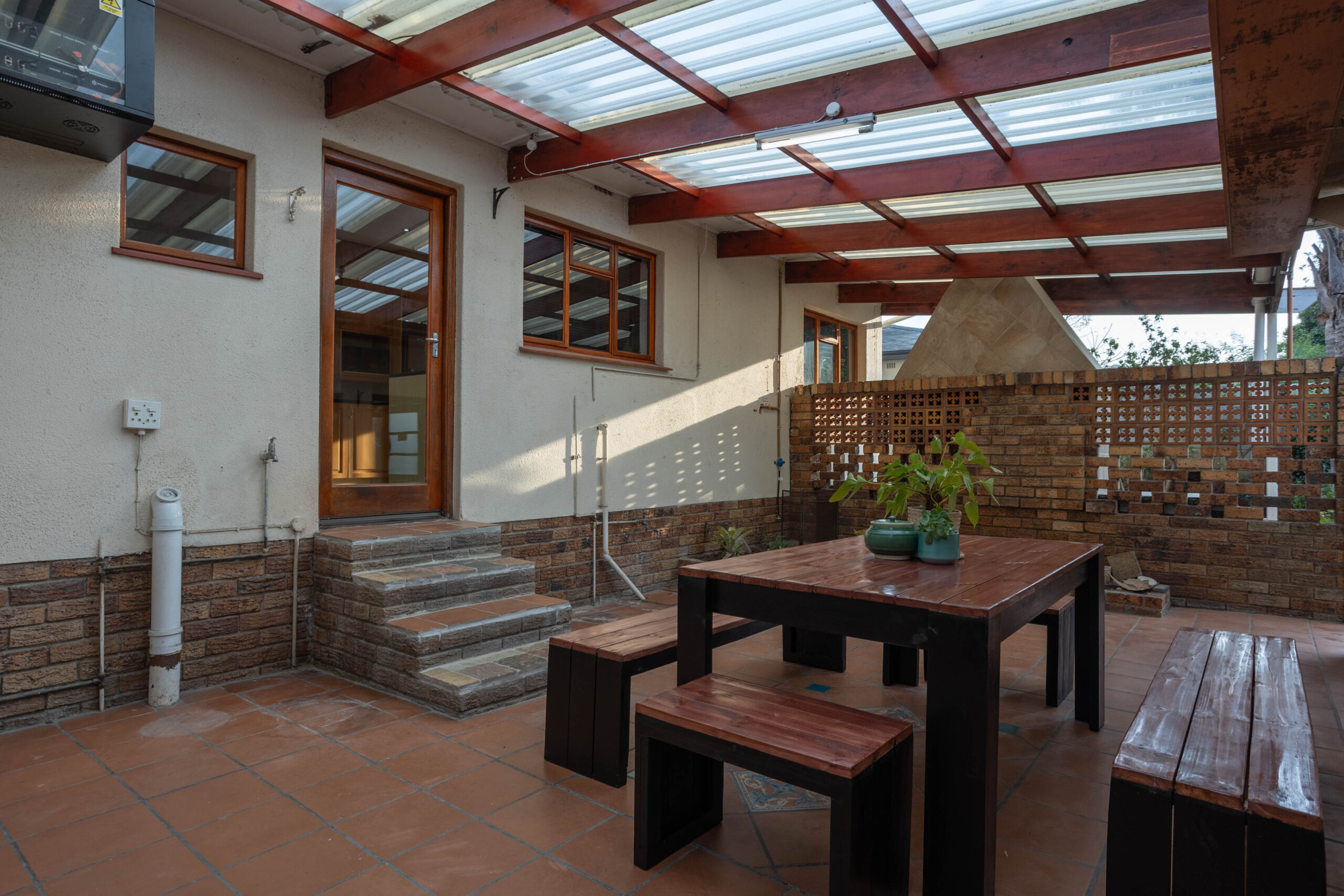
Substance abuse that leads to addiction is a serious matter. Gaining control over it takes time, and it takes a great deal of mental and physical strength. For most people, the journey starts with a primary care rehabilitation program — but the weeks after rehab are often where recovery is truly tested. That is exactly where a structured sober living environment comes in.
In this article we explain what primary care rehab does well, where it falls short, and why structured sober living (sometimes called a recovery house, halfway house or transitional living) is so highly recommended as extended care for anyone serious about long-term recovery.
What primary care rehab does — and why it matters
Most inpatient primary care rehabilitation programs run for 21 or 42 days. They provide a safe, closed (“lockdown”) environment where the first few days focus on detoxification — how long depends on the severity of the addiction. Once the body is stabilised, the focus shifts to the mental side of addiction through one-on-one counselling and group therapy sessions for the remainder of treatment.
Rehabilitation is essential. It:
- Lays down a solid foundation for recovery.
- Breaks the cycle of convenience — you can no longer simply go out and get your substance.
- Monitors and manages the withdrawal phase safely and ethically, under professional care.
- Introduces the tools of recovery: honesty, self-awareness, the 12 steps and the value of support.
The gap after rehab: why 21 or 42 days often isn’t enough
Unfortunately, the majority of rehabilitation programs are simply not long enough for a person to get used to their new life without substances. Learning to handle everyday routines — waking up, going to work, dealing with stress, managing money, spending a Friday night at home — without the urge or need to pick up takes far longer than a few weeks.
Walking straight out of a protected treatment centre and back into the same home, the same friends and the same triggers can be a shock to a recovery that is still brand new. Addiction is widely recognised as a chronic, relapsing condition — the US National Institute on Drug Abuse compares its relapse rates to those of other chronic illnesses like hypertension and asthma. That isn’t a reason to lose hope; it’s a reason to keep support in place for longer.
What is a structured sober living environment?
A structured sober living house is a substance-free home for people in recovery that bridges the gap between primary care treatment and fully independent living. Unlike rehab, residents are free to go to work, study, attend meetings and live their lives — but they do so within a framework of house rules, daily routine, drug testing and accountability.
Structured sober living is highly recommended as extended care straight after primary care rehabilitation. It can also be the right step a few months into your recovery journey, if you start to feel your foundation becoming unstable and want to get back on solid ground before things slip.
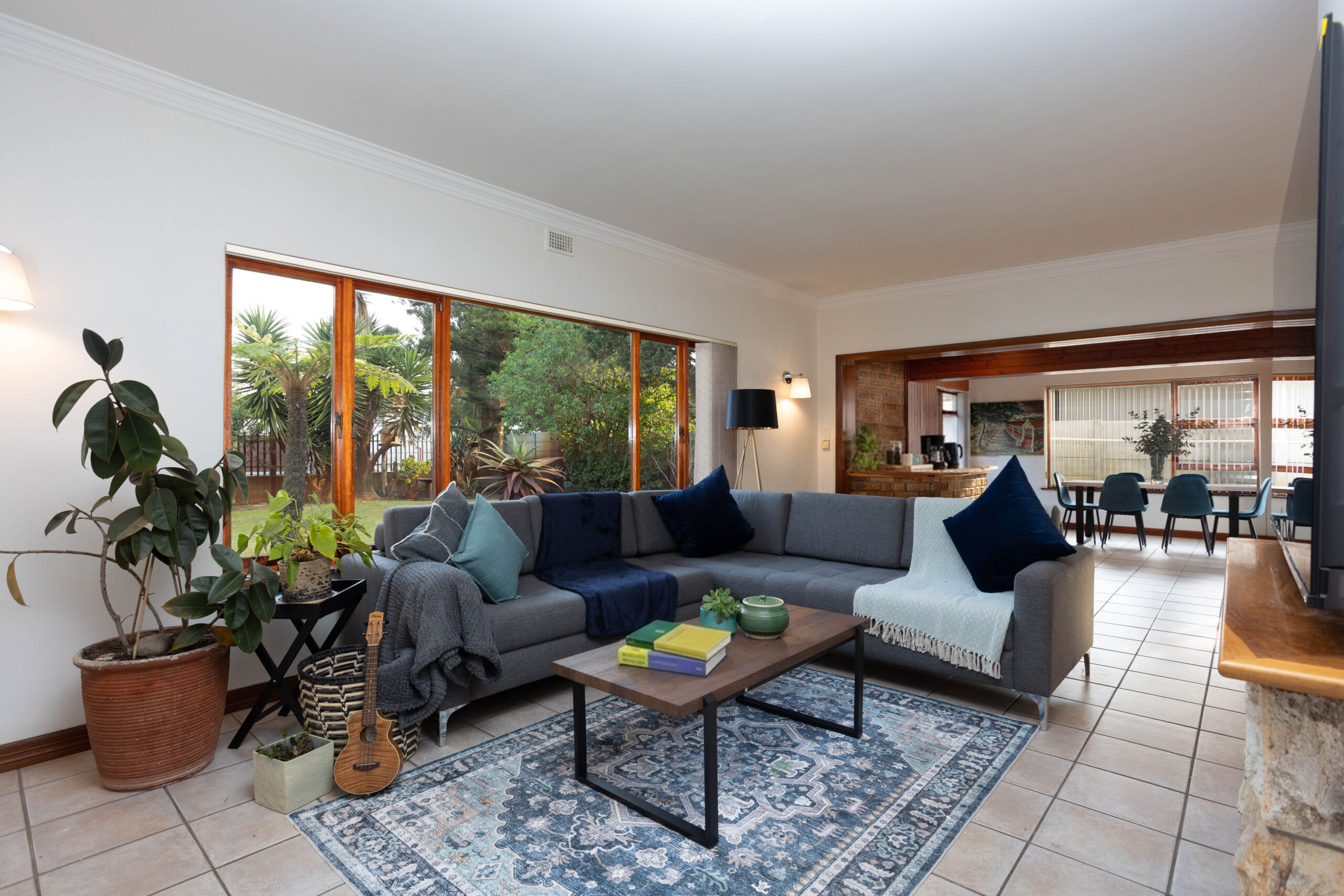
7 benefits of a structured sober living home
1. You still feel cared for — in an environment of healing
A good sober living home gives you the feeling that you are still being taken care of. You’re still within a healing environment, safe and away from unnecessary triggers and toxic situations outside. That sense of safety lets you keep doing the inner work you started in rehab.
2. Community, fellowship and friendship
Most importantly, you belong to a community similar to the one you experienced in primary care. There is always someone to talk to — someone who has walked the same road, who understands you and “gets” you. Fellowship and friendship in recovery are vital, and isolation is one of the biggest risks in early sobriety.
3. Punctual routine
Addiction thrives on chaos. Recovery thrives on structure. Sober living provides a punctual daily routine — set wake-up times, morning meetings, chores, meals and curfews — which gradually becomes second nature.
4. Real accountability
Structure comes with accountability: not staying out late, attending meetings, completing stepwork, regular drug testing and being honest with the people around you. Accountability isn’t punishment — it’s a safety net while you rebuild trust in yourself.
5. Practising sober living habits
Residents actively practise healthy, sober habits and activities: exercise, cooking and eating together, keeping a clean space, attending 12-step meetings and finding new ways to have fun without substances.
6. Becoming a productive member of society
If you don’t yet have permanent employment, sober living expects and supports you to put real effort into becoming a productive member of society — job hunting, volunteering, studying or developing a skill — rather than drifting.
7. Protected, but not shut away
You may feel somewhat shut off from the outside world, but you still have the freedom to venture out. It’s the best of both: protection from the chaos that fuelled your addiction, with enough independence to start practising real life.
Routine
Daily structure that replaces old habits with healthy ones.
Accountability
Curfews, drug testing and honest check-ins keep you on track.
Community
People who understand you, every single day.
Sober living for the working person in recovery
For the working person in recovery, having a safe, non-toxic environment to come home to after work makes the world of difference. The trip home after a stressful day is a classic high-risk moment. A person is far less likely to take chances on the way home knowing that the community and staff will notice — and that there will be consequences to face on returning.
That gentle, built-in accountability gives you breathing room to grow stronger, while you keep earning, keep your career on track and rebuild your independence step by step.
Who is structured sober living for?
| Your situation | How sober living helps |
|---|---|
| Just finished a 21- or 42-day rehab | Extended care that keeps structure and support in place while you adjust. |
| A few months sober, feeling shaky | Re-stabilises your foundation before a lapse turns into a relapse. |
| Home environment is toxic or triggering | A safe, substance-free base while you build a new normal. |
| Working, but struggling after hours | A supportive home to return to, with accountability built in. |
| Not yet employed | Routine and encouragement to become productive and independent. |
Structured sober living in Cape Town: the Skyward approach
At Skyward Recovery in Table View, Cape Town, our sober living house is built around exactly these principles. Residents follow mandatory sober living habits, attend daily morning serenity meetings, take part in weekly drug testing and work a 12-step program with meetings and stepwork — with face-to-face NA meetings within walking distance. Read more about our sober living program, see the house and surroundings, or learn about the brother-and-sister team behind Skyward.
Frequently asked questions
What is the difference between rehab and sober living?
Rehab (primary care) is a closed, clinical environment focused on detox, counselling and therapy, usually for 21 to 42 days. Sober living is a structured, substance-free home where residents live more independently — working, studying and attending meetings — while following house rules, routine and accountability.
How long should I stay in sober living?
It depends on the person, but many people benefit from staying several months. The goal is to stay long enough for sober routines to become second nature and for your support network to be firmly in place before living fully independently.
Can I work while living in a sober living house?
Yes. Working residents are encouraged to keep or find employment. The house provides a safe, supportive place to come home to after work, with curfews and accountability that protect your recovery.
Do I have to go to rehab before sober living?
Sober living is most often recommended straight after primary care rehab, but it can also help people a few months into recovery who feel their foundation becoming unstable. Get in touch and we’ll talk through whether it’s the right fit.

This article is for general information and isn’t a substitute for medical advice. If you or someone you love is struggling with addiction, please speak to a medical professional or reach out to us for guidance.
Ready to build your foundation?
If you or someone you love is leaving rehab — or needs to steady their recovery — we’d love to talk. Our sober living house in Table View, Cape Town is a secure home base in recovery.
Make an EnquiryWhatsApp +27 66 008 4884