Why People From the UK, Europe and the US Choose Recovery in South Africa
Every year, people from around the world travel to Cape Town to continue their recovery. Here’s why distance, environment and value make South Africa such a popular choice for sober living after rehab.
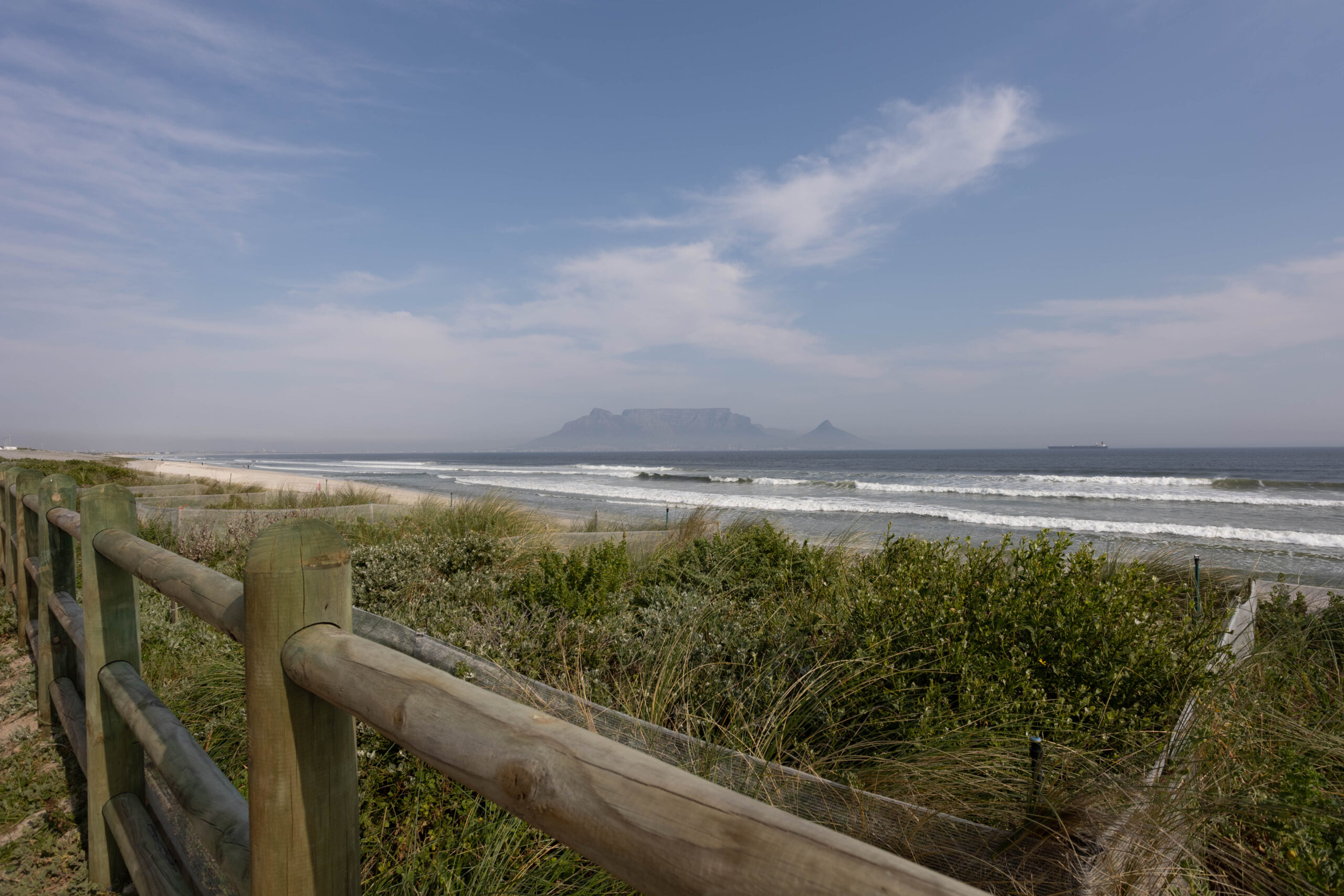
Sometimes the best thing you can do for your recovery is get some distance. Distance from old friends, old routines, old dealers and the familiar streets where using became a way of life. For a growing number of people from the UK, Europe, the US and further afield, that distance leads to South Africa — and specifically to Cape Town.
South Africa has a well-established private addiction treatment sector, and many people complete rehab here and then stay on for sober living. Others finish treatment at home and travel to Cape Town for the next stage. In this article we explain why recovering abroad works for so many people, what to think about before you decide, and how sober living in Cape Town fits in.
The power of distance in early recovery
Early recovery is fragile. Triggers are everywhere at home: the pub on the corner, the contact in your phone, the friend who “just wants one drink”, the stress of a job or family situation that fed the addiction in the first place. Even with the best intentions, it’s hard to build a new life in the middle of the old one.
Recovering abroad creates a clean break. You can’t pop round to see old using friends when they’re 10,000 kilometres away. That space gives you time to focus entirely on your recovery — your routine, your meetings, your stepwork and your health — before you return home with a much stronger foundation.
6 reasons people choose South Africa for recovery
Distance from triggers
A clean break from old people, places and habits.
Value for money
Favourable exchange rates for many currencies.
English-speaking
Meetings, care and daily life in English.
Outdoor lifestyle
Sunshine, beaches and mountains to stay active.
1. Distance from triggers
As above, the physical distance from your usual environment removes many of the high-risk situations that make early recovery so difficult. It also gives family members at home a chance to rest, heal and prepare for your return.
2. Value for money
For people earning or paying in pounds, euros or US dollars, the exchange rate often makes longer-term care in South Africa more affordable than equivalent options at home. That can mean the difference between a few weeks of support and the several months that many people need to build lasting recovery.
3. English is widely spoken
English is one of South Africa’s official languages and is widely used in business, healthcare and everyday life. That means you can take part fully in meetings, house life and counselling without a language barrier.
4. A climate and lifestyle that support recovery
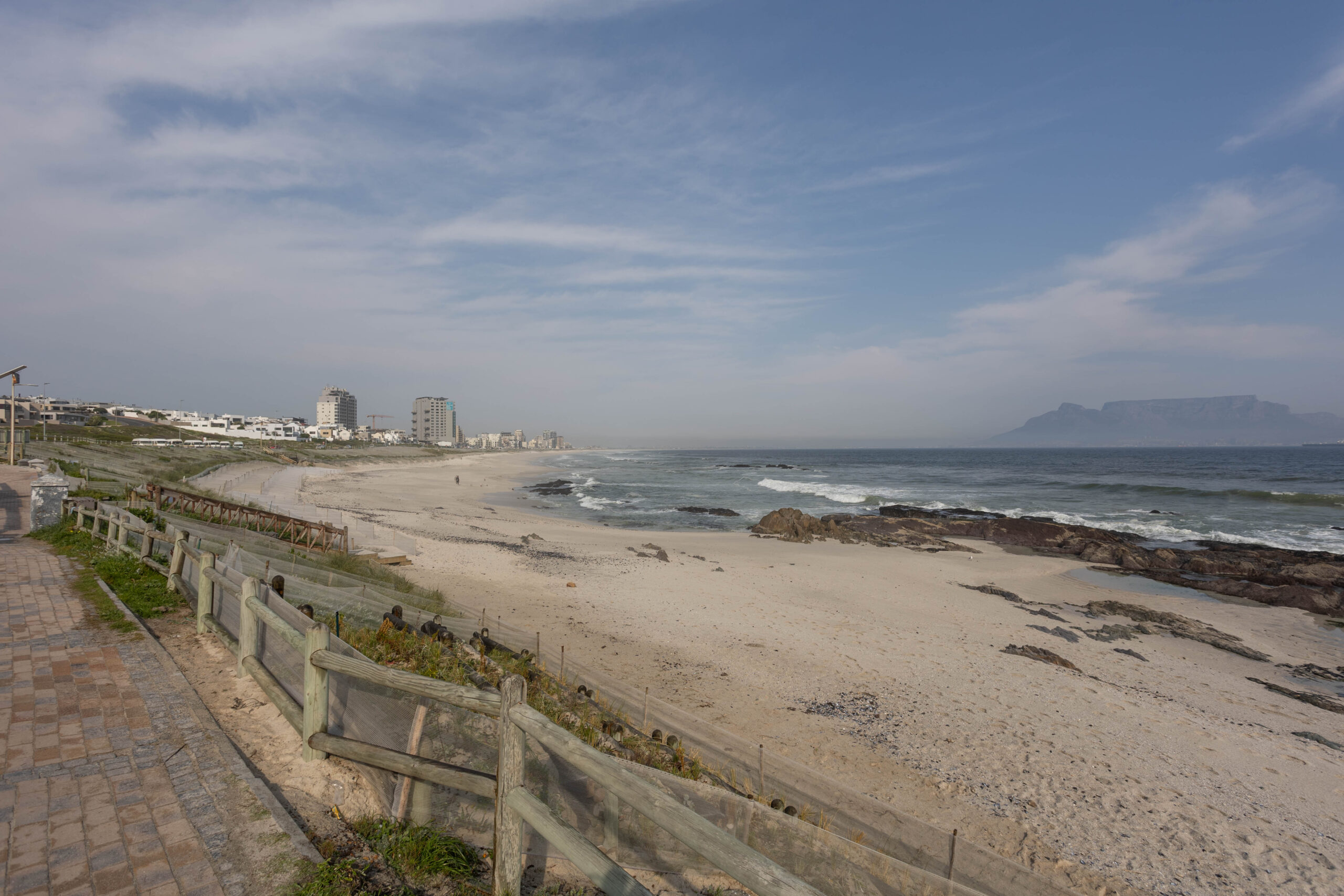
Cape Town has long, sunny summers and mild winters, with the ocean and mountains on your doorstep. Exercise is one of the most powerful tools in recovery, and it’s much easier to build a habit of walking, running, swimming or hiking when you live a few kilometres from the beach. Read more about the habits that build long-term sobriety.
5. A strong recovery community
Cape Town has an active 12-step fellowship, with NA and AA meetings across the city every week. In Table View and Blouberg alone, there are several face-to-face NA meetings each week. You’ll also meet other people in recovery from all over the world — a reminder that addiction, and recovery, have no borders.
6. Time to step away from pressure
For many people, the biggest benefit is simply time: time away from work demands, social expectations and the pressure to “get back to normal” too quickly. Recovery isn’t a race, and having space to take it one day at a time is valuable.
What to consider before you travel
Recovering abroad is a big decision, so it’s worth planning carefully:
- Visas and entry requirements. Citizens of many countries, including the UK, the US, Canada and most of the EU, can currently visit South Africa without a visa for up to 90 days. Rules can change and depend on your passport, so always check with the South African Department of Home Affairs or your nearest South African embassy before booking — especially if you plan to stay longer.
- Travel and medical insurance. Make sure your insurance covers you for the length of your stay. The UK government’s guidance on rehabilitation and residential treatment in South Africa is a useful read for British nationals.
- Your plan for going home. Think about aftercare at home before you leave: finding meetings near you, a sponsor, and how you’ll handle the people and places that were part of your addiction.
- Staying connected. Distance from triggers shouldn’t mean distance from the people who love you. Agree with your family how and when you’ll stay in touch.
For a practical, step-by-step guide to the move itself, read Coming to Cape Town for Recovery: A Practical Guide for International Residents.
Who recovery abroad suits best
| Your situation | How recovering abroad helps |
|---|---|
| You’ve finished rehab but home feels risky | A safe, structured base far from old triggers while your recovery strengthens. |
| You’ve relapsed soon after previous treatment | More time in a structured environment, away from the patterns that led to relapse. |
| You’ve completed rehab in South Africa | Continuity — stay on in Cape Town for sober living rather than flying straight home. |
| You can work remotely | Keep earning while living in a supportive recovery community. |
| Your family needs breathing space | Time for everyone to heal before you come home. |
International residents at Skyward Recovery
Skyward Recovery welcomes residents from across South Africa and internationally. Our structured sober living house in Table View, Cape Town offers a program built on routine and accountability — daily morning serenity meetings on weekdays, weekly drug testing, mandatory sober living habits and a working 12-step program — in a comfortable home with high-speed WiFi, a pool, a garden and shared communal spaces.
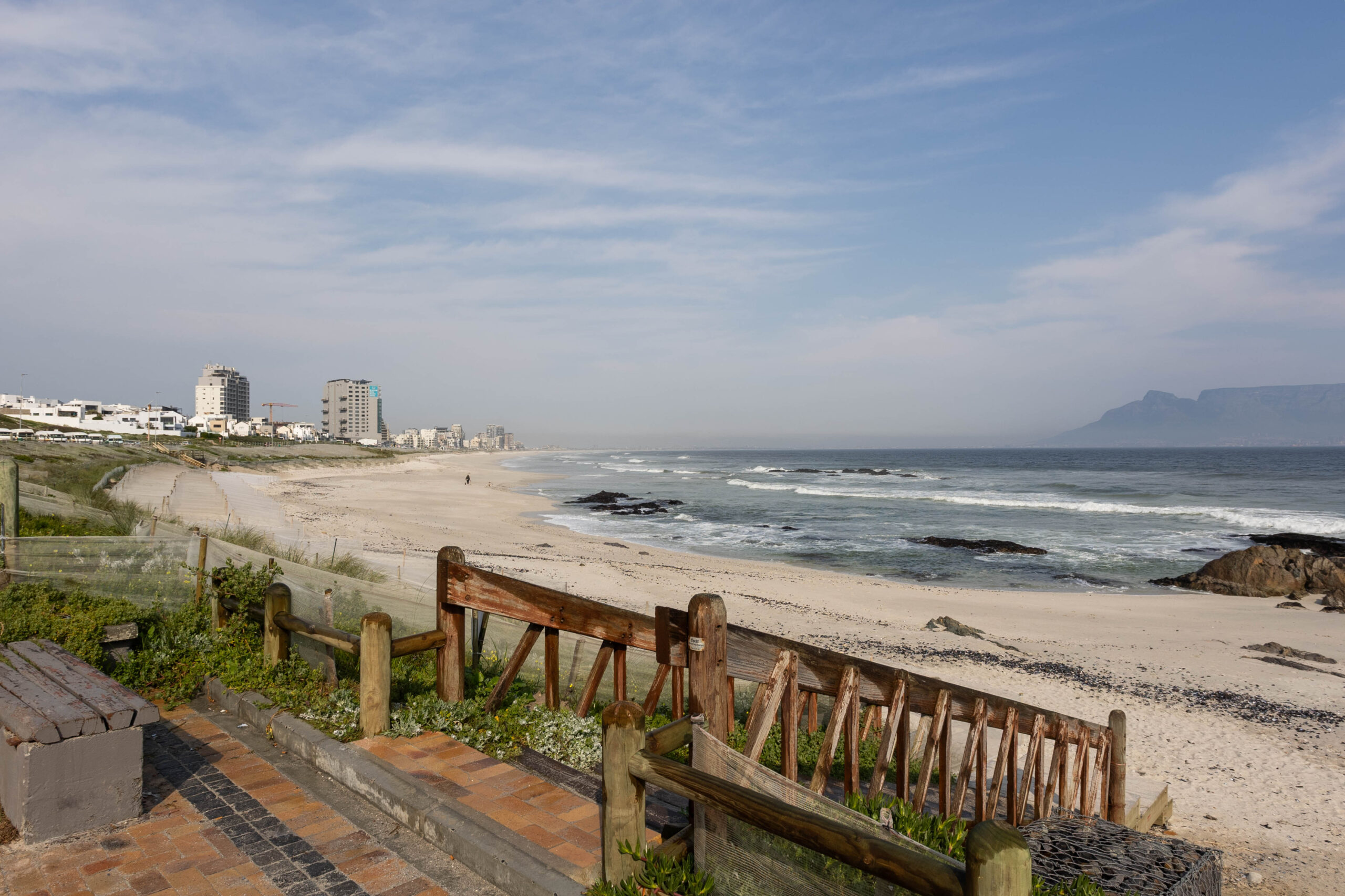
We’re close to public transport, shops and medical care, about 3 km from Bloubergstrand beach, and within walking distance of four weekly NA meetings. See the house and surroundings, or contact us to talk through your situation.
Frequently asked questions
Can international residents stay at a sober living house in South Africa?
Yes. Many sober living houses in Cape Town, including Skyward Recovery, welcome international residents. You’ll need to meet South Africa’s entry requirements for your passport and length of stay.
Do I need a visa to stay in Cape Town for recovery?
Citizens of many countries, including the UK, US, Canada and most EU countries, can currently visit South Africa visa-free for up to 90 days. Requirements depend on your nationality and length of stay, so always confirm with the South African Department of Home Affairs or an embassy before travelling.
Is it better to recover abroad or at home?
It depends on the person. Recovering abroad can help when the home environment is full of triggers or previous attempts have failed. Planning aftercare for your return home is essential either way.
Are there English-speaking NA and AA meetings in Cape Town?
Yes. Meetings in Cape Town are widely held in English, and there are several face-to-face NA meetings each week in the Table View and Blouberg area.
This article is for general information and isn’t a substitute for medical, legal or immigration advice. Entry requirements can change, so please confirm them with official sources before you travel. If you or someone you love is struggling with addiction, please speak to a medical professional or reach out to us for guidance.
Considering recovery in Cape Town?
Skyward Recovery welcomes residents from around the world to our structured sober living house in Table View, Cape Town. Reach out and let’s talk.
Make an EnquiryWhatsApp +27 66 008 4884