
Secondary Care vs Tertiary Care vs Sober Living: What’s the Difference?
Primary, secondary, tertiary, halfway house, sober living — the language of addiction treatment in South Africa can be confusing. Here’s what each level of care means, and how to choose the right next step after rehab.
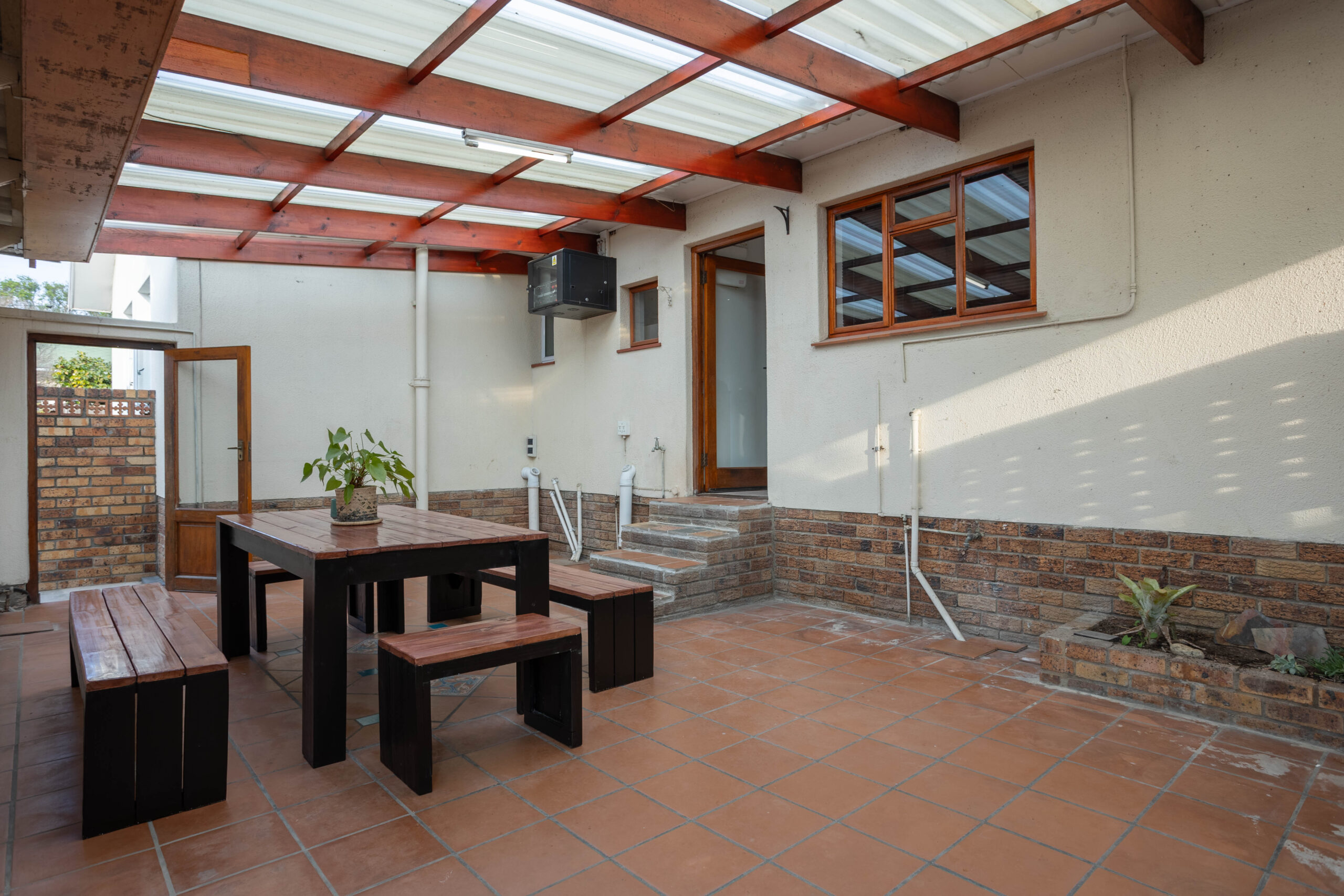
When rehab ends, the questions start. The treatment centre recommends “secondary care”. A friend mentions a halfway house. Someone else suggests tertiary care or sober living. Every option sounds similar, and nobody seems to use the terms in quite the same way.
This guide explains the main levels of addiction care you’ll come across in South Africa, what each one is designed to do, and how to work out which one is right for you or your loved one.
The continuum of care: why recovery happens in stages
Addiction treatment works best as a continuum, not a single event. Each stage gives a little more freedom and responsibility than the last, while keeping enough support in place to protect a recovery that is still new.
One important note before we start: these terms are not used consistently. Some South African centres use “secondary care” to mean a residential program after rehab; others use it for outpatient treatment. “Tertiary care”, “halfway house” and “sober living” often overlap. Always ask a provider exactly what their program includes, rather than relying on the label.
Primary care: where recovery begins
Primary care is inpatient rehab. Programs commonly run for 21 to 42 days in a closed, closely supervised environment. The first days usually focus on medically supervised detox, followed by one-on-one counselling, group therapy and an introduction to the tools of recovery, such as the 12 steps.
Primary care breaks the cycle of using and lays the foundation. But for most people, a few weeks isn’t long enough to get used to a whole new way of living. That’s why aftercare matters.
Secondary care: going deeper
Secondary care continues the therapeutic work started in primary care, usually for a further few months. Where primary care focuses on stopping, secondary care focuses on the underlying issues — trauma, relationships, behaviour patterns, co-occurring mental health concerns — and on practising recovery skills.
Secondary care is often residential, with a full therapeutic program and gradually increasing freedom. Some providers offer it as an intensive outpatient program instead. It suits people who need more clinical support before they’re ready to return to work, study or family life.
Tertiary care and sober living: rebuilding real life
Tertiary care is the stage where recovery meets everyday life. Residents live in a substance-free, structured home but are expected to work, study, volunteer or job-hunt during the day. In South Africa, this stage is commonly called sober living, a recovery house, transitional living or a halfway house.
A good sober living home provides:
- Routine — set wake-up times, chores, morning meetings and curfews.
- Accountability — regular drug testing and honest check-ins.
- A recovery program — 12-step meetings, a sponsor and stepwork.
- Community — people who understand exactly where you’ve been.
- Independence — the freedom to rebuild your career, finances and relationships.
Sober living can follow primary care directly, or come after secondary care. It can also be the right step months into recovery if someone’s foundation starts to feel shaky. Read more about why structured sober living works after rehab.
Side-by-side comparison
| Level of care | What it looks like |
|---|---|
| Primary care | Inpatient rehab, often 21–42 days. Detox, therapy and a closed, supervised environment. Focus: stopping safely and building a foundation. |
| Secondary care | Usually a few months, residential or outpatient. Deeper therapeutic work with gradually increasing freedom. Focus: underlying issues and recovery skills. |
| Tertiary care / sober living | A structured, substance-free home. Residents work or study, with routine, drug testing and meetings. Focus: practising real life in recovery. |
| Independent living | Living on your own or with family, supported by meetings, a sponsor and a sober network. Focus: maintaining long-term sobriety. |
How to choose the right level of care
Every person’s recovery is different, so the right next step should be based on an honest assessment — ideally with input from the treatment team who know the person best. These questions can help:
- Is there still a need for intensive therapy? If trauma, mental health concerns or very early cravings are still dominant, secondary care may come first.
- Is the person ready to work or study? If yes, structured sober living lets them do that safely.
- Is home a safe place to return to? If home is toxic, triggering or lonely, a sober living house provides a stable base.
- How did previous attempts at recovery go? If relapse followed soon after leaving treatment, more time in a structured environment is usually wise.
- What does the person want? Recovery works best when the person wants it, not just needs it.
Where Skyward Recovery fits
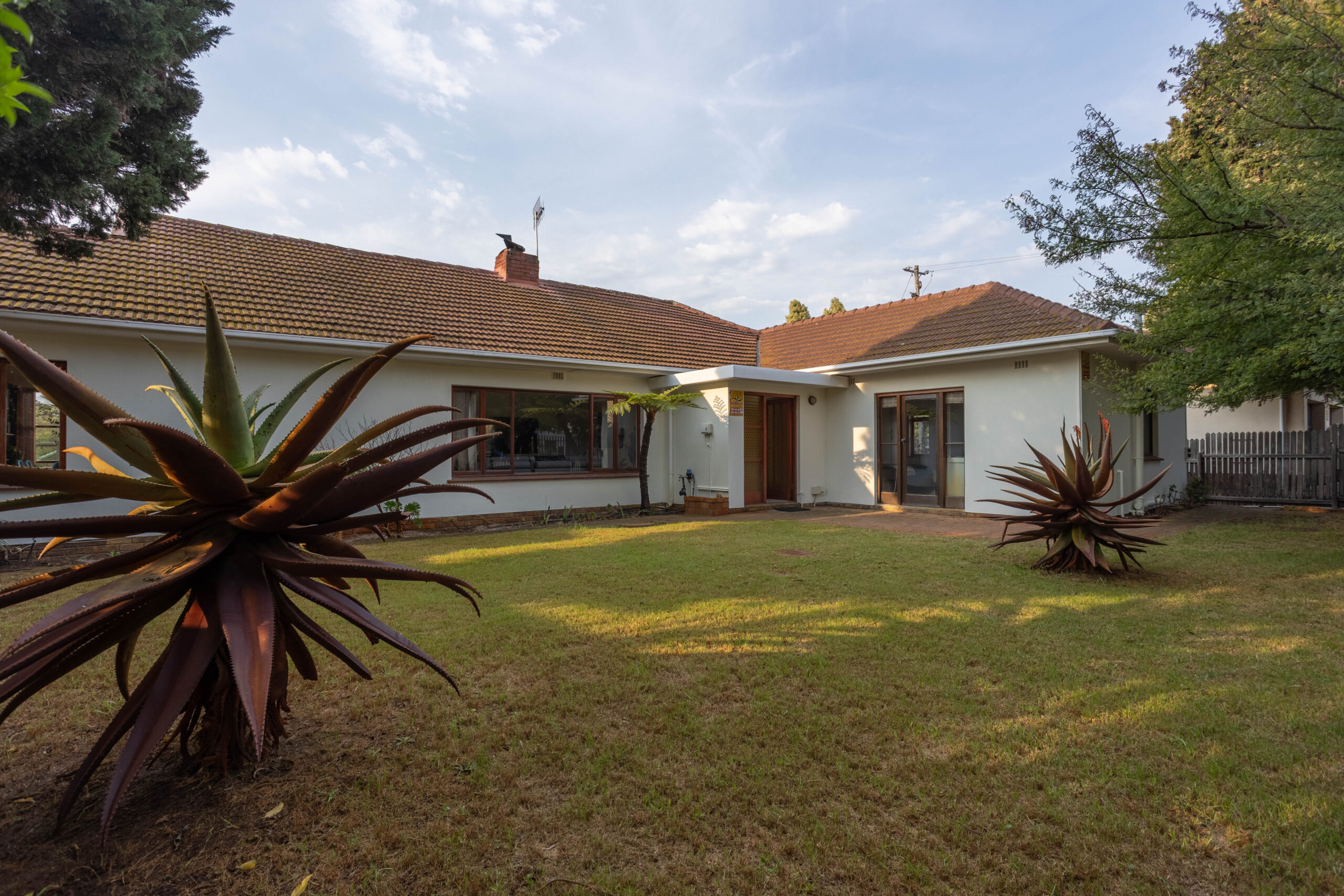
Skyward Recovery is a structured sober living house in Table View, Cape Town — the tertiary care stage of the continuum. We’re not a medical facility or a detox centre. Our program is designed for people who have completed treatment, or who need to steady their recovery, and are ready to rebuild everyday life with structure around them: mandatory sober living habits, daily morning serenity meetings on weekdays, weekly drug testing and a working 12-step program, with NA meetings within walking distance.
If you’re not sure which level of care is right, call or WhatsApp us. Our admissions process starts with an honest phone conversation to see whether we’re the right fit.
Frequently asked questions
What is secondary care in addiction treatment?
Secondary care is the stage after primary care rehab. It continues therapeutic work on the underlying causes of addiction for a further period, usually a few months, with more freedom than primary care. It can be residential or outpatient depending on the provider.
What is tertiary care in addiction recovery?
Tertiary care is the transitional stage where people in recovery live in a structured, substance-free home while working, studying or volunteering. In South Africa it is often called sober living, a recovery house or a halfway house.
Do I need secondary care before sober living?
Not always. Many people move straight from primary care into structured sober living. Others benefit from secondary care first. The right choice depends on the person’s needs, readiness to work and home environment.
Is a halfway house the same as sober living?
The terms are often used interchangeably. What matters most is how much structure, accountability and recovery support the house provides, so ask about routine, drug testing and meeting requirements.
This article is for general information and isn’t a substitute for medical advice. If you or someone you love is struggling with addiction, please speak to a medical professional or reach out to us for guidance.
Not sure what the next step is?
Skyward Recovery is a structured sober living house in Table View, Cape Town. Talk to us — we’ll help you work out whether sober living is the right fit.
Make an EnquiryWhatsApp +27 66 008 4884