
Sober Living in Cape Town: What to Look For in a Recovery House
Not every recovery house is the same. Here’s a practical checklist to help you choose a sober living home in Cape Town that will actually support long-term recovery.
Searching for sober living in Cape Town can feel overwhelming. You’ll find recovery houses, halfway houses, secondary care centres and “transitional living” homes — all with different rules, prices and levels of support. If you or someone you love has just finished rehab, choosing the right next step matters.
The right sober living home gives you structure, accountability and a community that keeps you steady while you rebuild your life. The wrong one can feel like little more than a shared house with a “no drinking” sign on the fridge. This guide walks you through exactly what to look for, and the questions to ask before you move in.
What a sober living house in Cape Town should offer
A sober living house is a substance-free home for people in recovery. It sits between primary care rehab and fully independent living. Residents are free to work, study and attend meetings, but they do so within a framework of house rules, routine and accountability.
In Cape Town you’ll often hear sober living described as a recovery house, a halfway house or tertiary care. The names vary, but the purpose is the same: to give your recovery time to take root before you face everyday life on your own. If you’re unsure how these terms fit together, read our guide to secondary care vs tertiary care vs sober living.
8 things to look for in a recovery house
Clear structure
A daily routine, house rules and curfews.
Drug testing
Regular, consistent and fair.
12-step focus
Meetings, a sponsor and stepwork.
Experienced people
Staff who understand recovery first-hand.
1. A clear daily structure
Addiction thrives on chaos; recovery thrives on routine. Ask what a typical weekday looks like. Look for set wake-up times, a morning meeting or check-in, chores, curfews and expectations around work or study. If nobody can describe the daily rhythm of the house, that’s a warning sign.
2. Regular, consistent drug testing
Drug testing isn’t about distrust — it’s a safety net that protects every resident. A well-run house tests regularly (for example, weekly) and has a clear, fair process for what happens if someone uses. Consistency matters more than anything: rules that are applied to some residents and not others quickly erode a house’s culture.
3. A working 12-step program
The strongest sober living homes are built around an active recovery program, not just abstinence. Look for a house that expects residents to attend Narcotics Anonymous (NA) or Alcoholics Anonymous (AA) meetings, have a sponsor and actively work their steps.
4. People who understand recovery
Find out who runs the house and what experience they have. People with experience in rehabilitation — and ideally lived experience of recovery — know the warning signs, the difficult days and the small wins that matter. They’ll also be honest with you when you need to hear it.
5. A safe, comfortable home
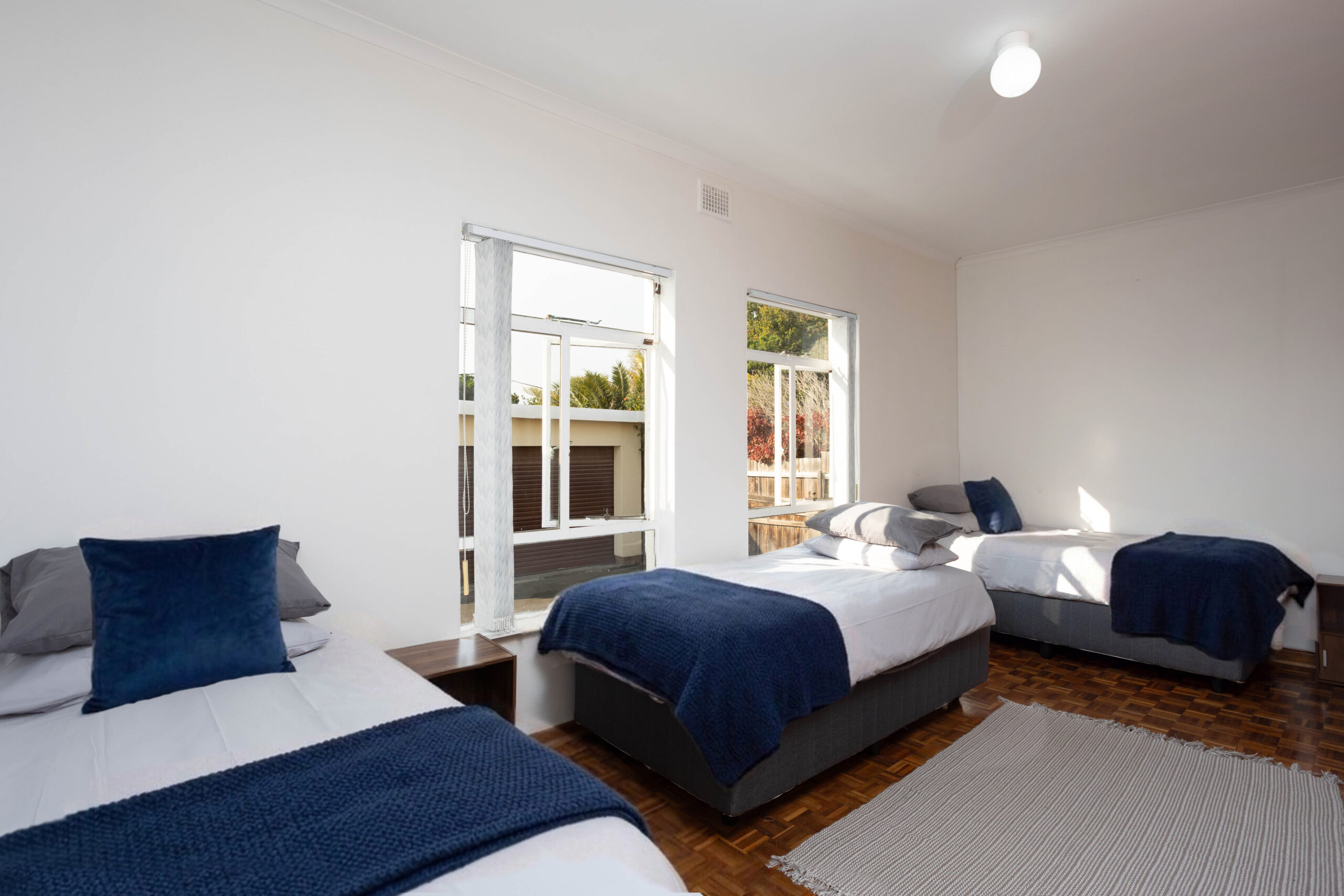
You’re going to live here, so it should feel like a home and not an institution. Look at the bedrooms, kitchen and communal spaces. Is it clean? Is there somewhere to sit outside, cook a meal or have a quiet coffee in the morning? A calm, comfortable environment makes it easier to stay focused on recovery.
6. Meetings within reach
Location matters more than people expect. If the nearest meeting is a 40-minute drive away, it’s easy to talk yourself out of going. A house within walking distance of face-to-face meetings removes that excuse entirely.
7. Access to everyday life
Sober living is where you practise real life, so you need to be able to reach it: public transport, shops, gyms, medical care and places to work or volunteer. In Cape Town, being close to the beach and the mountain is a real bonus — staying active is one of the habits that build long-term sobriety.
8. A genuine community
Ask to see the house and, if possible, meet the residents. You’re looking for people who support each other, hold each other accountable and actually want to be sober. Fellowship is one of the biggest benefits of sober living, and isolation is one of the biggest risks in early recovery.
Questions to ask before you move in
| Ask this | Why it matters |
|---|---|
| What does a typical day look like? | Shows whether there’s real structure or just a set of rules on paper. |
| How often do you drug test? | Regular testing keeps the whole house safe and accountable. |
| What happens if someone relapses? | You want a clear, fair and consistent process. |
| Are meetings and stepwork required? | A working program is what turns abstinence into recovery. |
| Who runs the house? | Experience in rehabilitation and recovery makes a big difference. |
| Can I work or study while I live here? | Sober living should help you rebuild independence, not delay it. |
| How long do residents usually stay? | A good house plans your stay around your recovery, not a fixed number of weeks. |
Red flags to watch out for
- No drug testing, or testing that only happens “when there’s a problem”.
- Vague answers about rules, routine or who is responsible for the house.
- No expectation of meetings or a recovery program.
- Rules that bend for some residents and not others.
- Pressure to commit immediately without seeing the house or having an honest conversation about whether it’s the right fit.
Sober living in Table View, Cape Town: the Skyward approach
At Skyward Recovery, we built our house around exactly this checklist. Our sober living program includes mandatory sober living habits, daily morning serenity meetings on weekdays, weekly drug testing and a working 12-step program with meetings and stepwork. Four face-to-face NA meetings take place every week within walking distance of the house.
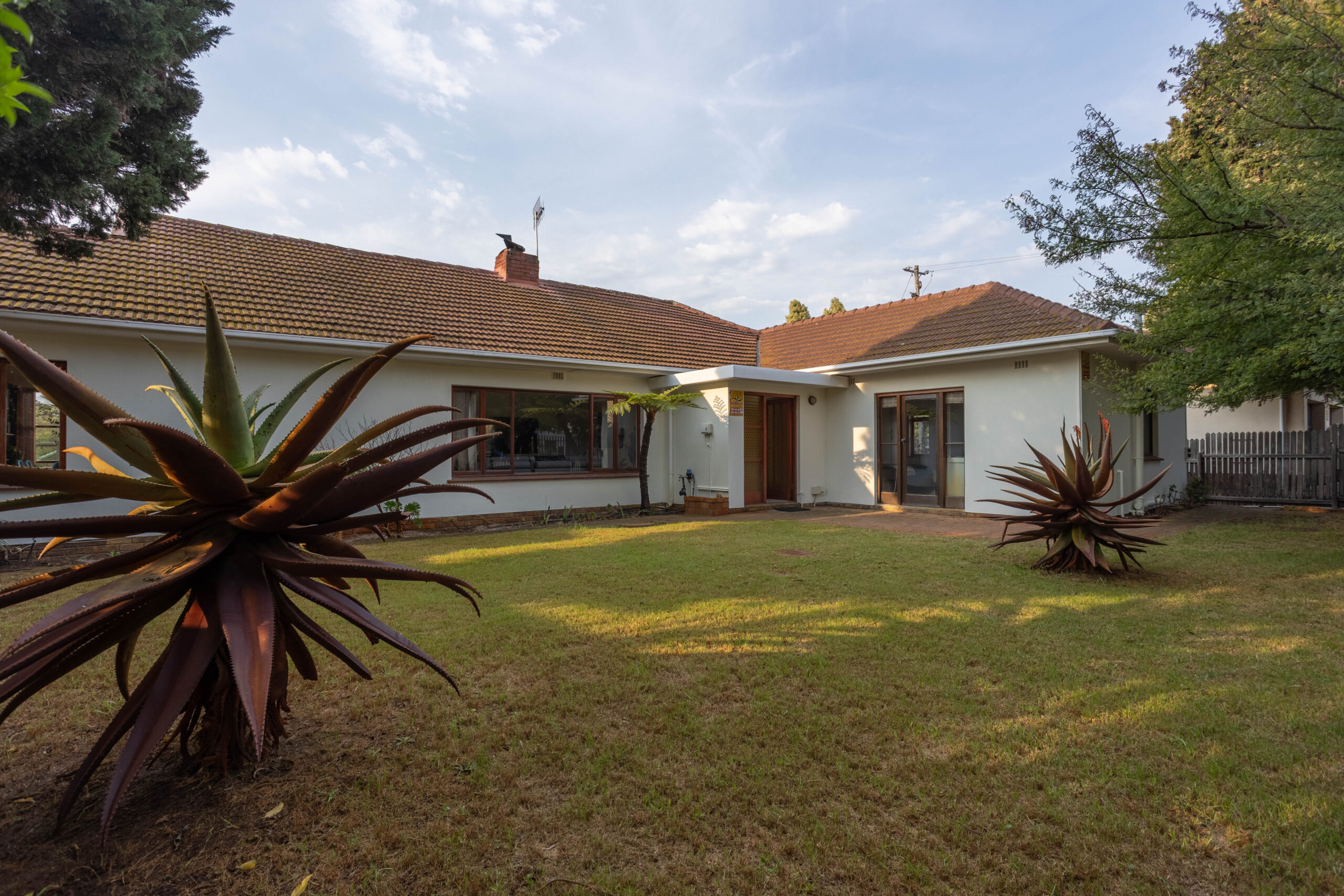
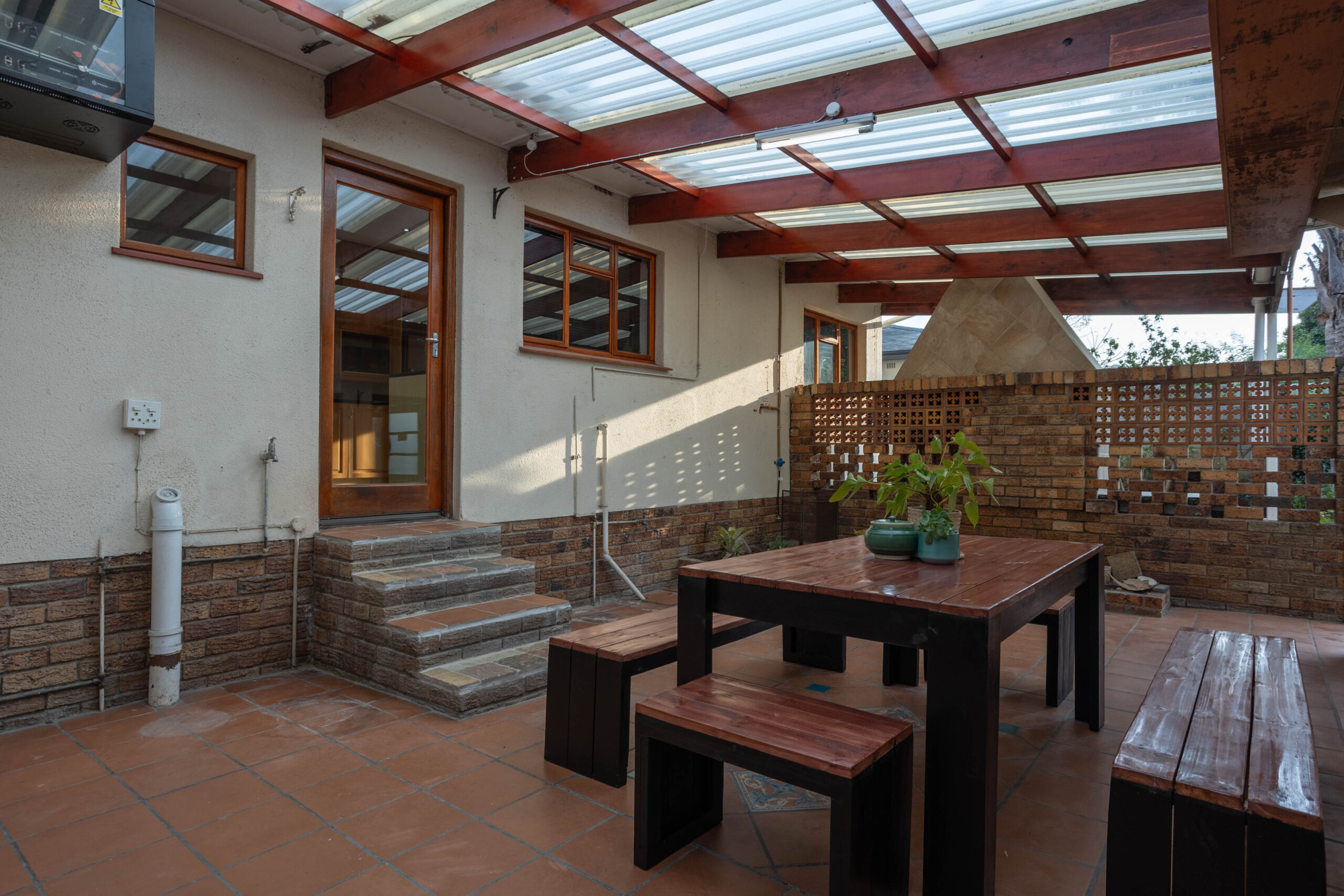
The house itself has comfortable bedrooms, large communal living areas, a shared kitchen with a morning coffee bar, a garden, a swimming pool and an outdoor pizza oven. We’re a short walk from a MyCiTi bus stop and close to Bayside Mall, medical care and Bloubergstrand beach. Skyward was started by brother and sister Rob and Kim Ross, who have more than eight years of experience in rehabilitation — meet the team or see the house and surroundings.
Frequently asked questions
What is the difference between a sober living house and a halfway house?
The terms are often used interchangeably in South Africa. Both are substance-free homes for people in recovery. “Structured sober living” usually describes a house with a clear daily routine, drug testing and a recovery program, rather than accommodation alone.
How long should I stay in a sober living house?
It depends on your recovery and circumstances. Many people benefit from several months of structured support after rehab. A good house will discuss a plan that fits your goals rather than set a fixed length of stay.
Can I work while living in a sober living house in Cape Town?
Yes. Sober living is designed to help you return to work or study while you still have structure, support and accountability around you.
Do I need to go to rehab before sober living?
Sober living is most often recommended straight after primary care rehab, but it can also help people a few months into recovery who feel their foundation becoming unstable. An honest assessment conversation will help you decide.
This article is for general information and isn’t a substitute for medical advice. If you or someone you love is struggling with addiction, please speak to a medical professional or reach out to us for guidance.
Looking for sober living in Cape Town?
Skyward Recovery is a structured sober living house in Table View, Cape Town — a secure home base for your recovery. Reach out and let’s talk about whether we’re the right fit.
Make an EnquiryWhatsApp +27 66 008 4884